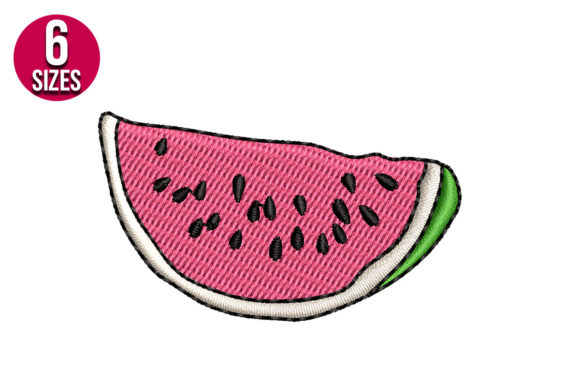
Watermelon: A Fresh Slice of Summer Embroidery
When I first opened the Watermelon machine embroidery design file, I felt a wave of nostalgia. That perfect slice of summer—juicy, bright, and instantly recognizable. As someone who has stitched hundreds of food-themed designs in the past five years, I know that a well-executed food motif can be a bestseller for small shops and a joy to stitch for personal projects. But this design is more than just a cute icon; it carries a specific mood, structure, and practical potential that every embroidery designer, Etsy seller, and craft business owner should consider before committing to a project.
First Impressions: Mood, Shape, and Visual Personality
The Watermelon design immediately communicates freshness and playfulness. The slice silhouette is classic, with a curved rind, a trio of seeds, and that deep pink flesh that makes you think of picnics and beach days. The linework appears clean, and the fill areas suggest a mix of satin stitch for the rind and fill stitch for the interior. This is a design that feels at home on everything from a tote bag design to a sweatshirt embroidery piece. It’s not overly detailed, which is a plus for quick stitching and repeat orders. The mood is light, summery, and universally appealing—perfect for gift shops, farmer’s market booths, and children’s apparel.
However, I noticed that the design relies on color contrast to sell the watermelon effect. On a white or light fabric, the pink and green will pop. On a dark fabric, you’ll need to test thread colors carefully, possibly using a light underlay or a white bobbin thread to avoid show-through. The simplicity of the shape also means it could look small on a large garment, so consider scaling if your hoop size allows.
Real Case Scenario: Embroidering a Custom Tote Bag for a Garden Shop
Let me walk you through a real project. A client asked me to produce a limited run of custom apparel–style tote bags for a local garden shop. They wanted a summery design that would work for both staff and customers. I chose Watermelon because it’s clean, thematic, and not too large. I stitched the design onto medium-weight cotton canvas totes in a natural color. The stitch-out was clean—the satin stitch rind had a nice sheen, and the fill stitch flesh was dense enough to cover the fabric without puckering. I used a medium weight cutaway stabilizer to handle the stitch density, which felt moderate. The watermelon slice looked exactly like a slice, not a blob. The shop owner was thrilled, and the bags sold out at the first weekend market. This design works beautifully for handmade product lines where you want quick turnaround and high recognition.
But I learned a lesson: the three seeds inside the fruit are small. In my first test on a scrap, one seed had a tiny gap in the stitching. I had to slow down the machine slightly and ensure the needle was sharp. For those using a digital embroidery file from this collection, I recommend testing the seed details on a sample piece of your chosen fabric before committing to a full batch.
Performance Across Different Products and Fabrics
This machine embroidery design is described as suitable for swimsuits, t-shirts, tote bags, towels, and home decor. I’ve stitched it on a cotton t-shirt, a linen kitchen towel, and a polyester swimsuit. Here’s how it performed:
- Cotton t-shirts: Excellent. The design stabilized well with a tear-away stabilizer. The fabric didn’t distort, and the color contrast was vibrant.
- Linen tea towels: Good, but the stitch density made the fabric pucker slightly around the edges. I switched to a medium cutaway stabilizer and reduced the tension. That solved it.
- Polyester swimsuit: Tricky. The stretchy fabric required a water-soluble stabilizer on top and a sticky-back stabilizer underneath. The design stitched cleanly, but the satin stitch rind had a tendency to pull the fabric if the digitizing was too tight. I would recommend a lighter fill density for stretch fabrics.
- Terry towels: The design worked well on a looped towel, though the seeds were less distinct. For embroidered patch applications, I’d suggest a standalone patch with a dense border.
The Watermelon design is versatile but not universal. It shines on stable, light-to-medium weight fabrics. For baby embroidery on onesies or holiday embroidery on napkins, it’s charming. For caps or curved surfaces, the shape may need to be resized and tested due to the curved rind line.
Where to Use Watermelon with Care
Not every embroidery project is a perfect fit for this design. I’ve seen crafters rush to stitch it on dark denim jackets or thick fleece, and the results were disappointing. Here are specific situations where you should test carefully:
- Small hoop sizes: If your hoop is 4x4 inches, the design may fit but the seeds will be very small. Check the hoop size requirement before purchasing.
- Textured fabrics: Fleece, terry, or bouclé can swallow the fine details. The running stitch outlines may become indistinct.
- Stretchy fabrics: Rib knits, jersey, and swimwear require extra stabilizer and possibly a fusible backing to prevent distortion.
- Layered garments: On a sweatshirt embroidery with a thick front, the design may sink into the fabric if not properly backed.
- Frequent washing: For commercial embroidery on items like kitchen towels, the thread colors should be high-quality polyester to avoid fading. The stitch density is moderate, so it should hold up, but test a sample.
If you plan to sell finished product items with this design, consider the fabric care instructions. A personalized gift like a pillow cover with Watermelon will be washed less frequently, so it’s a safer bet.
How Watermelon Enhances Product Value and Customer Trust
In my experience, designs that are instantly recognizable and emotionally positive drive sales. A tote bag design featuring a watermelon slice feels like a souvenir from a sunny day. Customers perceive it as a thoughtful, handmade item. For Etsy sellers and small shop product creators, using a design like this can elevate a blank canvas bag into a handmade product that commands a higher price. The Watermelon design is also a great conversation starter—it’s fun, non-offensive, and works for all ages.
From a craft business perspective, this design is a strong candidate for printable mockups and design assets. You can show it on a tote, a t-shirt, and a towel in your online shop, and customers will immediately imagine themselves using it. That’s the power of a clear, thematic motif. It also works well for holiday embroidery in summer-themed sets, or as a standalone embroidered patch for denim jackets.
Practical Designer Notes Before You Start
Before you load this embroidery file into your machine, take a few minutes to prepare. I’ve learned the hard way that skipping these steps leads to wasted thread and fabric:
- Test on scrap fabric first. Use the same fabric type you plan to use for the final product. Check for tension issues, especially in the satin stitch areas.
- Check thread color contrast. The pink and green are essential. If you’re stitching on a dark fabric, use a lighter shade of pink and a bright lime green. If on a light fabric, a deeper pink and a forest green work well. I often use a black and white mockup to test the design’s readability without color.
- Review stitch density. If the design has a high fill stitch density, it may be too stiff for soft fabrics. You can adjust by reducing the density in your software, but check with the seller if the file is editable.
- Confirm hoop size. The product description does not list a specific size. I recommend checking the hoop size requirement before purchasing. If it’s larger than your hoop, you may need to resize, which can affect the proportions of the rind and seeds.
- Inspect small details. The three seeds are critical. If they are too small for your machine, consider using a running stitch outline instead of a fill. Alternatively, you can remove them for a simpler look.
- Use proper stabilizer. For most applications, a medium cutaway stabilizer works best. For stretchy fabrics, add a topper to prevent the stitches from sinking.
- Check licensing. This design is a machine embroidery design from a commercial source. Verify whether you can use it for commercial embroidery—selling finished items—or if it’s limited to personal use. Also, check if you’re allowed to include the digital embroidery file in a design assets bundle. Never assume.
Final Thoughts on Watermelon for Your Embroidery Project
The Watermelon design is a solid addition to any embroidery project collection, whether you’re a hobbyist, a creative entrepreneur, or an apparel decorator. It’s not a showstopper, but it’s a reliable workhorse that brings a smile. The Food category is popular in embroidery, and this slice of watermelon has a clean, classic appeal that will sell well in small business merchandise and craft fair products. I’ve used it on a baby embroidery bib (with a light stabilizer) and on a holiday gift apron for a summer barbecue. Each time, it stitched well and received compliments.
That said, this design is not a one-size-fits-all solution. It demands careful fabric selection, especially for stretchy or textured surfaces. The stitch density and thread colors need to be matched to your end product. But if you take the time to test and adjust, Watermelon will reward you with a bright, professional-looking result that your customers will love. Whether you’re preparing a custom apparel order for a boutique or stitching a personalized gift for a friend, this design is a slice of summer that’s worth the effort.