Person Scrapbooking: A Designer’s Review for Sweatshirt Embroidery
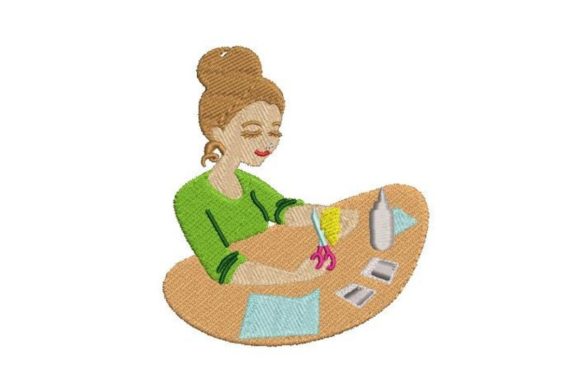
When I first pulled up the digital embroidery file for Person Scrapbooking, I was in the middle of planning a limited-edition sweatshirt embroidery drop for a client’s boutique brand. The description read: “Scrapbooking is a method of preserving, presenting, and arranging personal and family history in the form of a book, box, or card. Get this lovely design of a cute girl that is scrapbooking.” Immediately, I knew this machine embroidery design had the potential to resonate deeply with a very specific, passionate audience. It is not just a graphic; it is a narrative. Here is my honest review of how this embroidery file performs on real apparel, what it takes to stitch it out successfully, and whether it belongs in your next custom apparel collection.
First Impressions: Mood, Detail, and Stitching Personality
The design features a cute girl surrounded by the tangible tools of her craft—paper, scissors, and memories. The mood is undeniably warm, feminine, and slightly rustic. It feels like a quiet, intentional afternoon, which is a perfect emotional anchor for a hoodie design. For a handmade product, this emotional resonance is a massive asset. It turns a simple garment into a wearable story.
From a stitching perspective, the detail level is charming without being overly dense. The “cute girl” aesthetic is rendered with soft lines and a gentle layout that avoids harsh, blocky shapes. This is crucial for commercial embroidery because it means the design will drape well on fabric rather than feeling like a stiff patch. The overall personality leans into playful nostalgia. It is not overly bold or aggressive; it is subtle, decorative, and deeply personal. This makes it an excellent choice for a boutique that values storytelling over loud logos.
Sweatshirt Application: Placement, Fabric, and Color Strategy
Testing this person scrapbooking design on different fabric texture bases was an eye-opening step. On a neutral oatmeal or heather beige sweatshirt embroidery project, the design felt soft and organic. The natural tones complemented the scrapbooking theme beautifully, reinforcing the rustic, handmade feel. On a darker heather grey or charcoal fleece, the contrast popped significantly, especially if you plan to use bright thread colors for the paper and embellishments.
Chest Placement and Sleeve Accents
A centered chest placement on a classic crewneck sweatshirt is the most direct way to showcase the detail. It creates an immediate focal point that draws the eye. For oversized hoodies, scaling the machine embroidery design slightly larger and placing it on the upper back or as a large chest piece works wonders. The vertical orientation of the girl also makes it an excellent candidate for a sleeve accent. A single sleeve placement on a neutral sweatshirt is a subtle, high-fashion touch that signals intentionality. This flexibility in placement makes it a valuable design asset for any small shop product line.
Color Palette and Fabric Considerations
Your choice of thread colors will make or break the finished product. The “cute girl” requires soft, fleshy skin tones to maintain a delicate, approachable look. The scrapbooking elements—paper, scissors, photos—offer a playground for color. Pastel pinks, mint greens, and buttery yellows align perfectly with the boutique aesthetic, making it feel cohesive and curated. For a bolder look, consider using jewel tones or even metallic thread colors for the scissors or paper edges. On dark fabric, a white or light pastel thread palette will read clearly and maintain the soft, feminine vibe. On pastel or light fabric, consider using darker, more grounded colors to give the design depth.
Technical Production: Stitch Density, Stabilizers, and Durability
Let’s get into the nuts and bolts of commercial embroidery. The stitch density of this person scrapbooking design appears to be moderate and well-distributed. This is ideal for sweatshirt embroidery on fleece, French terry, or brushed cotton. You do not want it so dense that it creates a stiff, heavy patch that puckers the knit, but it needs enough substance to stand out against the fabric texture.
Your choice of stabilizer is non-negotiable for a premium finished product. For a plush fabric texture like fleece or a thick sweatshirt knit, a medium-weight cutaway stabilizer is essential to prevent warping, tunneling, or distortion during washing. I recommend floating the garment with a firm hooping of the stabilizer to avoid hoop burn on the fleece. Test your thread colors on a scrap piece first. Soft pastels enhance the boutique feel, while bright primaries can make it pop for a younger audience.
Hoop Size and Readability
Accessibility is a major factor for Etsy sellers and small shops using single-head machines. If this embroidery file fits within a standard 5x7 or 4x4 hoop size, it is highly accessible. I recommend checking the file to ensure that small details like the scissors or the paper edges are not too tiny to read on a textured surface. If the stitch density is too high in those areas, you may need to adjust the pull compensation or slightly enlarge the design to maintain clarity. A test sew is the only way to guarantee quality before you sell.
Business Value: Branding, Etsy, and Buyer Trust
For the Etsy seller or small shop product owner, person scrapbooking is a targeted design asset that speaks directly to a passionate community. Scrapbooking is a massive, dedicated hobby. Creating custom apparel that celebrates that identity builds instant visual recognition and buyer trust. Customers are not just buying a hoodie; they are buying a representation of their personal story.
- Target Audience: Hobbyists, scrapbookers, crafters, memory-keepers, and creative entrepreneurs.
- Product Value: High perceived value due to niche relevance and the tactile quality of sweatshirt embroidery.
- Visual Recognition: Instantly recognizable theme builds community around the boutique brand.
- Engagement: This design invites conversation. It is a perfect gateway for customers to share their own scrapbooking projects.
In your printable mockup and product photography, staging the handmade product with real scrapbooking supplies—paper stacks, glue guns, photo albums—creates a cohesive brand story. This elevates the product from just a “hoodie design” to a lifestyle piece. Offering this as a custom apparel item builds immense buyer trust. Customers see that you understand their niche. That alone can increase conversion rates on a small shop product page.
Production Checklist: What to Verify Before You Sew
Before you manufacture a full run of this machine embroidery design, remember that the provided description does not specify exact stitch count, hoop size, or thread color stops. Open the embroidery file in your software to verify these details. Check the file format compatibility with your machine. Plan your stitching sequence to minimize thread changes and trims. Test on your actual garment fabric to ensure the stabilizer and density are a perfect match. This diligence separates a premium boutique brand from a basic one. When executed correctly, this design will be a cherished addition to any wardrobe, proving that the best custom apparel tells a story worth keeping.