Maria Lele Mexican Doll
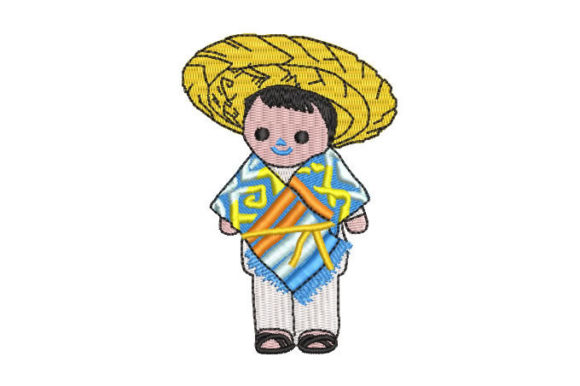
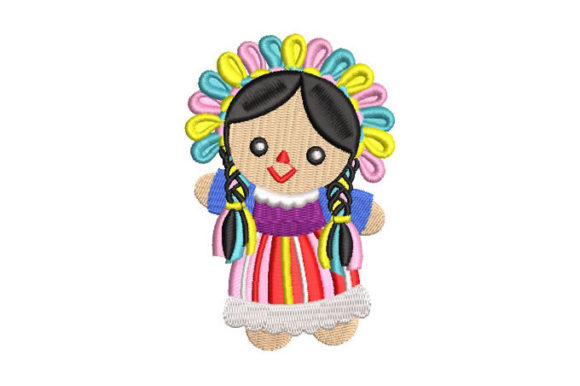
The Maria Lele Mexican Doll is a vibrant and charming machine embroidery design that brings a touch of traditional Mexican artistry to a wide range of craft fair products. With its colorful palette and intricate detailing, this design has the potential to stand out in any handmade or boutique display. As an experienced embroidery designer, I've evaluated how this design performs across various product types and what considerations are necessary for successful production and sales.
First Impressions: A Bold and Adorable Design
From the first glance, the Maria Lele Mexican Doll exudes a sense of playfulness and cultural charm. It feels like a perfect blend of traditional and modern aesthetics—bold enough to catch attention but not overwhelming. The design’s color scheme is eye-catching, making it ideal for products that need to stand out on a crowded booth table. Whether displayed on a tote bag, apron, or pillow cover, it adds a decorative flair that appeals to both adults and children.
Performance on Key Craft Fair Products
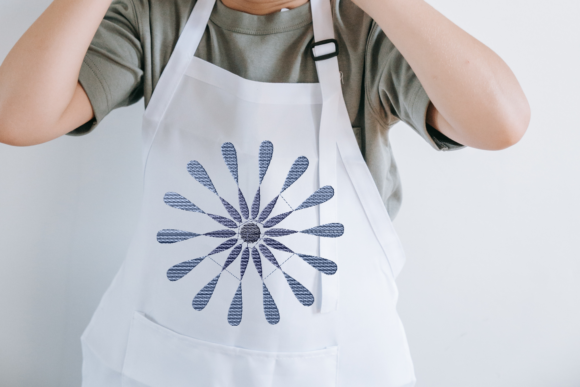
The Maria Lele Mexican Doll shines on several popular craft fair items. On a tote bag design, it becomes a focal point that customers can easily visualize as a stylish accessory. For apron embroidery, the design adds a personal touch that complements kitchen or gardening themes. Tea towel embroidery benefits from the design’s clarity, making it a great conversation starter in a home decor section.
As an embroidered patch, the design maintains its detail and vibrancy, making it suitable for jackets, backpacks, or even as a collectible item. On fabric pouches and market bags, it adds a unique handmade quality that resonates with eco-conscious buyers. When used on pillow covers, the design becomes a statement piece that enhances the overall aesthetic of a living space.
Visual Appeal and Customer Engagement
At a craft fair, visual appeal is everything. The Maria Lele Mexican Doll design has a strong presence that draws in customers. Its bright colors and recognizable imagery make it easy to identify from a distance, which is crucial for a busy booth. When paired with complementary fabric colors, it can create a cohesive look that enhances the perceived value of the finished product.
For Etsy sellers and small shop product creators, this design offers a great opportunity to build brand consistency. Using it across multiple product lines helps reinforce a cohesive theme, making it easier for customers to recognize and remember your brand. The design also works well in printable mockups, allowing you to showcase different applications without needing to produce physical samples.
Practical Considerations for Production
When evaluating the Maria Lele Mexican Doll for commercial embroidery, several factors come into play. First, the design needs to be easily understood at a glance. It should work well as both a small accent and a larger focal point, depending on the product. This flexibility makes it versatile for different sizes and applications.
Photographing the design for online listings is another important consideration. The colors should remain consistent and vivid in photos, which means testing with different fabric backgrounds and lighting conditions is essential. For batch production, the design must be repeatable without losing quality, especially when working with stitch density and thread colors.
Careful-Use Notes for Embroidery Designers
While the Maria Lele Mexican Doll is visually appealing, there are some practical challenges to consider. Dense stitch areas may require additional stabilizer to prevent puckering, especially on lightweight fabrics. Tiny details and small lettering could become less visible if not properly scaled, so testing on different fabric textures is recommended.
For curved surfaces like caps, the design may need slight adjustments to ensure proper placement and visibility. On dark fabrics, the contrast between the design and the background should be checked to avoid a washed-out appearance. Additionally, the design may lose clarity at smaller sizes, so it's best suited for larger applications.
Design Assets and Commercial Use
Before finalizing production, it’s important to confirm the commercial licensing terms of the digital embroidery file. This ensures that the finished product can be sold legally without any issues. Testing the design on scrap fabric is also a critical step to check for hoop size compatibility, spacing, and overall stitch quality.
Creating at least one real mockup is highly recommended. This allows you to see how the design looks on actual products and make any necessary adjustments before mass production. Comparing different fabric colors can also help determine the best options for each product type, ensuring the design remains visually striking in all applications.
Conclusion: A Versatile and Attractive Design
The Maria Lele Mexican Doll is a strong addition to any embroidery business looking to expand their product line. Its vibrant colors and cultural appeal make it a standout choice for a variety of craft fair and handmade market items. By paying attention to practical details like stitch density, thread contrast, and stabilizer use, designers can ensure that this design translates well into high-quality handmade products that customers will love.