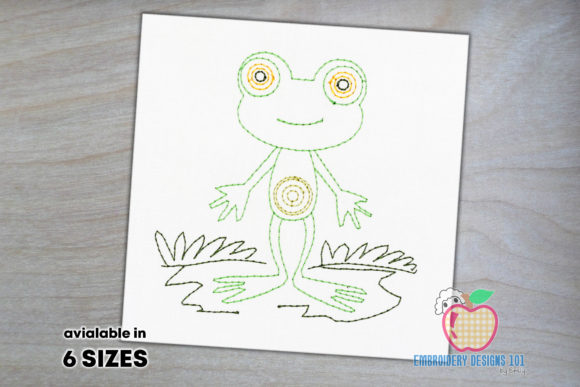
Funny Standing Frog Line Art
As an experienced embroidery designer, I often look for unique and versatile designs that can elevate small business merch, branded patches, and custom apparel. The Funny Standing Frog Line Art is a charming addition to any design library, offering a playful yet professional aesthetic that fits a wide range of applications. This machine embroidery design is ideal for businesses looking to add a touch of whimsy without sacrificing quality or brand identity.
First Impressions: Playful and Professional
The Funny Standing Frog Line Art immediately catches the eye with its simple, clean lines and expressive character. It feels friendly and approachable, making it perfect for small businesses targeting a casual, creative, or family-friendly audience. The design has a handmade quality that can enhance the appeal of boutique merchandise, Etsy products, or custom apparel. However, it also maintains a level of professionalism that works well for branded patches, staff uniforms, and commercial embroidery projects.
This line art style is especially effective when used on light-colored fabrics, where the contrast between the frog’s outline and the background creates a clear, striking visual. It’s not overly detailed, which makes it adaptable for various embroidery techniques and fabric types.
Real Business Use: Versatile and Adaptable
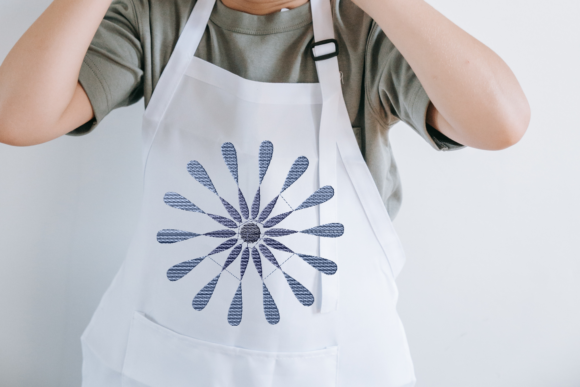
The Funny Standing Frog Line Art shines in a variety of small business settings. Whether you're creating embroidered patches for a local café, designing custom aprons for a bakery, or adding a logo to tote bags for a craft fair, this design offers flexibility. Its simplicity allows it to be scaled up or down without losing clarity, making it suitable for both large and small patch sizes.
For embroidered patches, the design works well as a chest logo or sleeve detail. On cap embroidery, it adds a subtle yet memorable touch. As a tote bag design, it can serve as a branding element that stands out without overwhelming the overall look. In apron embroidery, it can be placed near the pocket or on the back for a personalized, professional finish.
This design also pairs well with other design assets, allowing for cohesive branding across different product lines. For instance, a printable mockup featuring the frog could be used to showcase how it looks on a shirt, hat, or bag before production begins.
Where to Use Carefully: Key Considerations
While the Funny Standing Frog Line Art is versatile, there are certain scenarios where caution is advised. On small patch sizes, the details may become too fine, leading to a loss of definition. Similarly, on curved surfaces like caps or sleeves, the design might stretch or distort if not properly adjusted.
If the design includes tiny lettering or high stitch density, it may require additional stabilizer or a larger hoop size to maintain integrity. Textured fabric or dark uniforms could also affect the visibility of the frog, so testing on real fabric is always recommended.
Businesses should also consider the stitch density and thread colors when using this design. A black-and-white version may work best for some applications, while others might benefit from a colored version that matches the brand palette.
Impact on Brand Identity and Customer Trust
The Funny Standing Frog Line Art can significantly influence brand identity by adding a unique, recognizable element to small business merch. When consistently used across custom apparel, product packaging accents, or event merch, it helps build customer trust and recognition. A well-executed design can also enhance the visual consistency of a brand, making it more appealing to customers who value quality and creativity.
In the context of handmade products, this design can help differentiate a business from competitors. Its playful nature appeals to buyers looking for something fun and original, while its clean lines ensure it doesn’t feel too informal or unprofessional.
Practical Embroidery Designer Notes
Before finalizing the Funny Standing Frog Line Art for commercial use, there are several steps every embroidery designer should take. First, test the design in black and white to see how it translates on different fabrics. Then, check if it works at small patch size to ensure it remains legible and visually appealing.
Review thread color contrast to make sure it complements the fabric and brand colors. Inspect the spacing between elements to avoid overcrowding, and confirm the hoop size required for the design. Testing on real fabric with the proper stabilizer is crucial to ensuring a smooth finished product.
Creating a printable mockup for client approval can help visualize how the design will look on the final item. Comparing it beside other design assets ensures it aligns with the overall brand aesthetic. Lastly, always confirm commercial licensing before using the digital embroidery file for business purposes.